
Engineering notes.
Insights, tutorials, and field notes on software engineering, AI systems, and cloud platforms — written by the team building them.
Featured
LATEST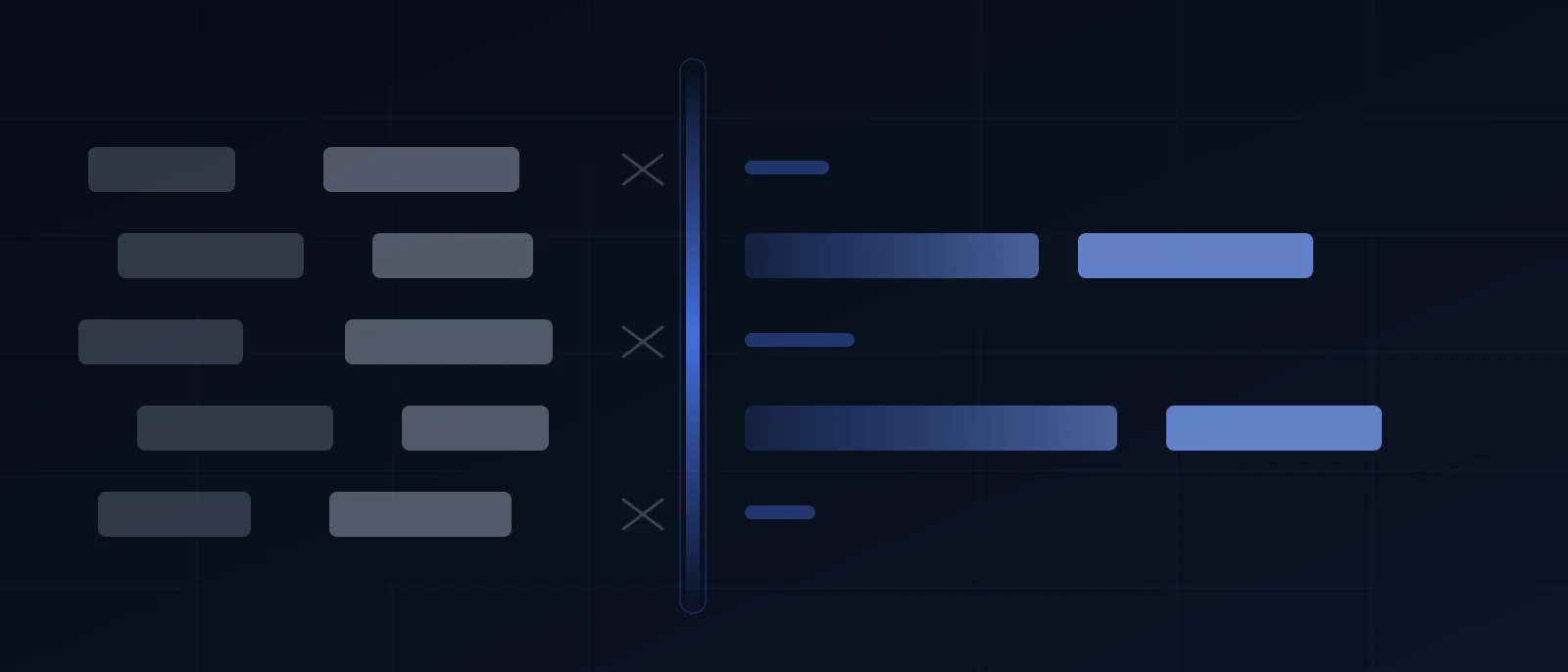
Letting an agent publish in public: reject the whole note, fail closed
When an AI agent publishes with no human in the loop, the gate has to sit server-side of the model, reject whole notes rather than mask them, and fail closed.
Read article →All posts
ARCHIVELocal-first AI: retrieval and code intelligence on the dev's machine
Code intelligence that never leaves your machine: CGraph keeps a supervised, resident code graph per repo so warm ~10ms structural queries are always on.
MCP for code: giving agents a queryable graph instead of grep
MCP gives a coding agent a standard port into your codebase. CGraph serves it a queryable graph through eight MCP tools — exact structural answers, not grep.
Event-driven by default: design for the failure modes first
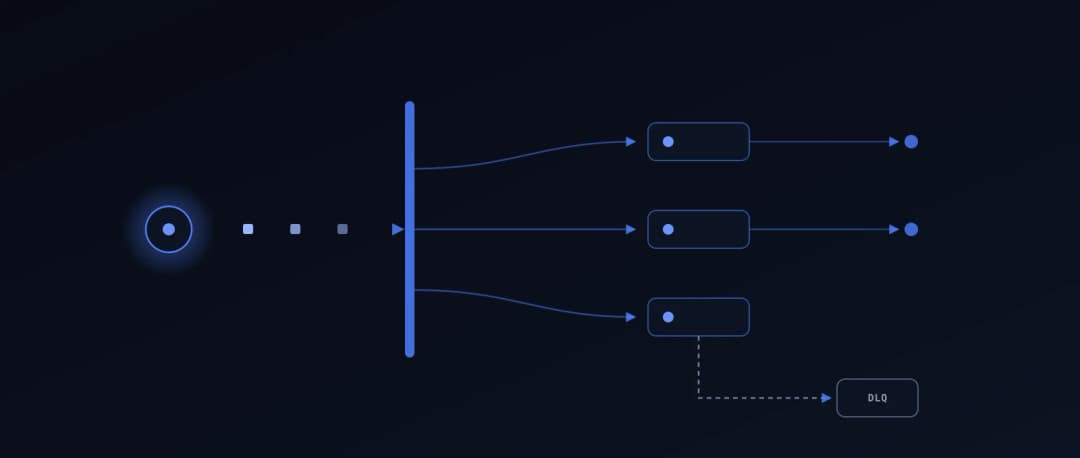
In event-driven AWS systems, duplicate and out-of-order events are the normal case, not edge cases. Design for them first, then make the happy path fast.

From demo to production: the LLM evaluation harness
A great LLM demo isn't a production system. The bridge is an evaluation harness: graded offline datasets plus scored live traces that catch silent regressions.

The token tax of grep-and-read
AI coding agents burn their token budget re-reading code they've seen. A resident code graph replaced grep-and-read and cut usage ~82% in our benchmark.
How fast is CGraph? Benchmarking our open-source code-graph engine
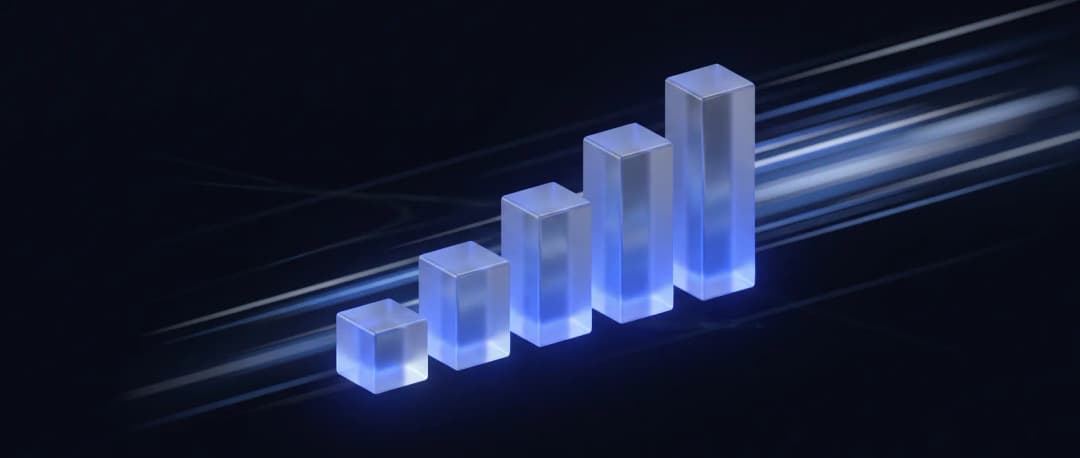
We benchmarked CGraph, our open-source code-intelligence engine: 12-198x faster builds than Graphify, a 15.8x faster warm query, and ~82% fewer tokens than the grep-and-read loop AI agents use today.